
Local food: from clay-pot kebab to grape molasses
Clay-pot kebab, grape molasses, fruit leather, walnut sujuk, pumpkin dessert: a small glossary of the Cappadocian table, with seasons, ordering tips and notes on allergies.
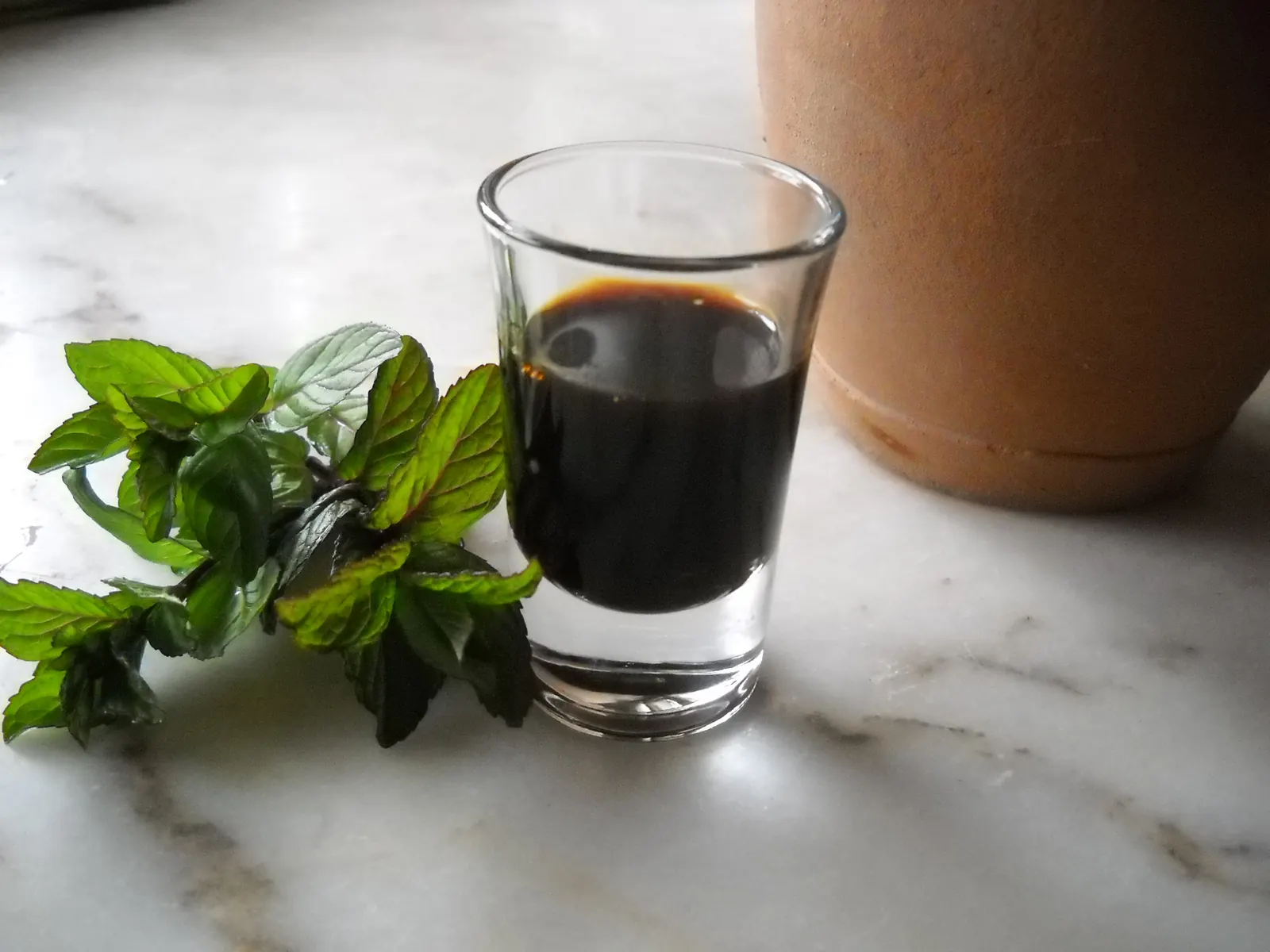
To understand food in Cappadocia, look at the pantry rather than the plate. Winters here are long, stone houses stay cool, and much of what is gathered in summer is put away for the cold months. Grapes are boiled into molasses, fruit is dried in the sun into leather, and walnuts are threaded on strings to dry. So when a dish is made matters as much as how it tastes. This guide gathers the names and seasons worth knowing before you sit down.
Walk past a village bakery early in the morning and the smell reaches you before anything else: wood smoke, browning dough, toasted grain. Inside, someone turns loaves with a long paddle, and at the door two women wrap a stack of flatbreads in cloth. A Cappadocian meal often begins like this, plainly, warmly and without hurry.
A small glossary for the table
- Testi kebabı (clay-pot kebab): meat, tomato, pepper, onion and garlic cook for hours in a pot sealed with dough or a lid. The pot is cracked open at the table with a small hammer, and steam rises out of it.
- Pekmez (grape molasses): grape must boiled for a long time in a copper kettle until it turns into a dark, slightly sour syrup. It is spread on bread, usually together with tahini.
- Pestil (fruit leather): a thin sheet made from thickened must or fruit and dried in the sun; you roll it up and chew.
- Cevizli sucuk (walnut sujuk): walnuts on a string are dipped in thickened must and dried. The name says sausage, but it is sweet.
- Bazlama and gözleme: hot flatbreads cooked in a wood oven or on a griddle, eaten with cheese, yoghurt or molasses.
- Haydari: a thick starter of strained yoghurt, garlic and herbs, eaten with warm bread.
- Ayran: yoghurt whisked with water and salt. It goes with rich dishes and, on most tables, arrives before the tea.
- Kabak tatlısı (pumpkin dessert): pumpkin cooked with molasses or sugar and served with walnuts, a light ending for winter dinners.
The seasonal calendar
In one village the same dish can taste different at four times of the year, so keep in mind which month you are visiting.
- Spring: fresh greens and herbs, dairy. The table is light and tangy.
- Summer: fresh fruit and vegetables, with fruit laid out to dry in yards and on flat roofs. Ayran and cold soups come forward.
- Autumn: the grape harvest, must and the molasses kettles. This is the liveliest season at the table.
- Winter: clay-pot kebab, hot soups, fruit leather and walnut sujuk. The time when the pantry is opened.
A day at the table
- Breakfast: flatbread or fresh bread, white cheese, olives, tomato, cucumber, molasses with tahini and strong tea.
- Lunch: a soup and a main dish; clay-pot kebab in winter, something lighter with vegetables and ayran in summer.
- Mid-afternoon: a slice of fruit leather, a few walnuts or a dried fig. Useful when dinner is late.
- Evening: starters, meat or vegetables cooked over a wood fire, rice, then pumpkin dessert and tea.
When you order
- A short menu is a good menu. A place that cooks a handful of dishes and names the dish of the day usually looks after that dish.
- Ask about the clay pot ahead of time. It cooks for hours, and in most places you need to say so before noon.
- Share the starters. Haydari, smoked aubergine and olive-oil vegetables go in the middle of the table and everyone takes a little.
- Taste the molasses with bread. Use the edge of the bread, not a spoon, and try it once mixed with tahini.
- Do not skip dessert and tea. The tea at the end of lunch opens the second half of the conversation.
In a house or in a restaurant?
Eating in a restaurant is quick and easy; eating in a village house is slow and instructive. At home you see how dough is rolled, how a kettle is stirred, how a pantry is readied for winter. That is why From Clay-Pot Kebab to Grape Molasses takes place in a village house: dough, oven, molasses and, at noon, the pot. From Clay to Grape joins a pottery workshop in Avanos with a vineyard near Ürgüp, and sets two crafts side by side: you shape clay with your hands in Avanos, then taste the fruit of the same earth near Ürgüp. For the evening there is The Rock-Cut Table, a home-style dinner running from starters to pumpkin dessert, with saz and folk songs in between.
Table manners
- In village houses shoes come off at the door, so clean socks are handy.
- In many homes the host or the elders start eating first. Do not rush; wait a moment.
- Bread is torn by hand, and scooping food up with a piece of bread is perfectly ordinary at these tables.
- If you are offered tea or dessert, take a small piece rather than refuse. Saying "elinize sağlık" (health to your hands) when you rise is enough.
What to take home
Molasses, raisins, fruit leather and walnut sujuk travel well and make good gifts. You are never obliged to buy anything, but if you do, taste first: the thickness and tartness of molasses vary from one producer to another. If you fly home, remember that molasses counts as a liquid. Keep it out of your hand luggage and pack it in a tightly lidded jar in the hold.
Allergies, meat-free options and alcohol
Walnuts, hazelnuts, sesame and tahini appear very often in this cooking, and fruit leather and walnut sujuk contain nuts. Bread with gluten is on almost every table. If you have an allergy or eat no meat, say so when you book: in home cooking the pot goes on the fire hours in advance, so late changes are often impossible. Wine is an old product of the region, but no alcohol is served to anyone under 18, and children are given grape juice at the same table.
Think of a table here not as a sequence of dishes but as a small slice of a year: everything that reaches you was gathered by someone in summer, put away and opened for you. Knowing when a dish was made, by whom and in which season changes how it tastes. A slow lunch can explain Cappadocia better than a museum can.